-


In her book, Kathrin Trattner provides a systematic framework for a comparative and intersectional analysis of enemies in first-person military shooter games. Integrating theories and methods from game studies, cultural studies, and religious studies, the book introduces the concept of “ludic othering.” By applying the concept to a variety of military shooters produced during the
-

New paper by Dr. Kathrin Trattner now out in eludamos. The paper investigates how players engage with and reflect on the construction of the nation and its place in history in the turn-based strategy game series Civilization (1991–2025). The Civilization series has been studied extensively concerning portrayals of history and nationhood within the games, mainly through their rule systems.
-


AI image generators such as Midjourney, Dall-E or Stable Diffusion are able to perfectly simulate the appearance of photographic images, but they are no longer part of the history of optical media. Unlike photography, AI does not capture light to record images of the world, not even a simulated one, but analyses recurring patterns in
-

In seinem Text im neu erschienenen Band «Generativität» der Reihe Begriffe des digitalen Bildes befasst sich Prof. Dr. Roland Meyer mit der Ästhetik KI-generierter Bilder und verortet sie über das Konzept des «Plattformrealismus» in einer breiteren Geschichte generischer Bildlichkeit und den infrastrukturellen Bedingungen des gegenwärtigen Plattformkapitalismus. Hier im Open Access lesen. Bibliographische Angabe: Meyer, Roland (2025): Plattformrealismus. Eine Ästhetik des Generischen. In: Bruhn,
-


In seinem Text im neu erschienenen Band «Ähnlichkeit» der Reihe Begriffe des digitalen Bildes zeichnet Prof. Dr. Roland Meyer von Lavaters Physiognomik und Galtons Kompositporträts bis zu heutigen Systemen der algorithmischen Mustererkennung eine «Genealogie der Operationalisierung der Ähnlichkeit» nach. Hier im Open Access lesen. Bibliographische Angabe: Meyer, Roland (2025): Nachbarn und Verwandte. Zur Operationalisierung der Ähnlichkeit. In: Kohle, Hubertus und Schneider,
-
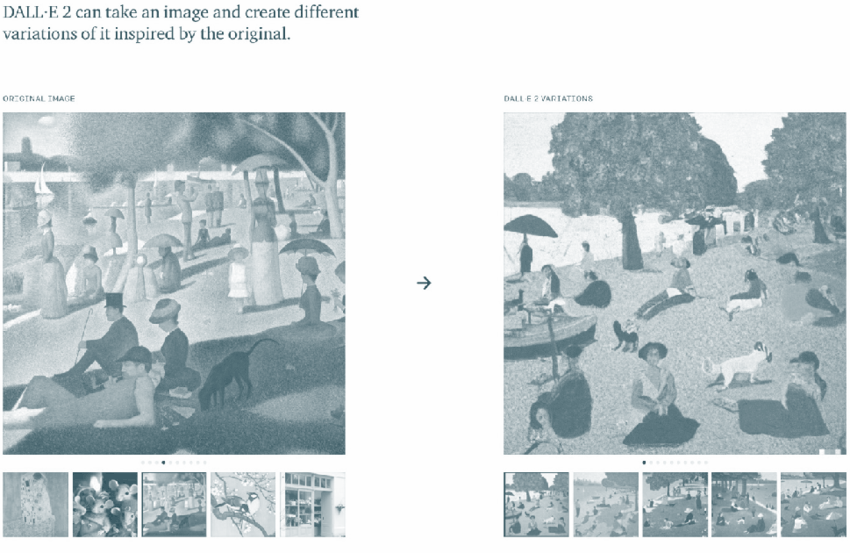

The mass digitization of museum collections has created global spaces of image aggregation: transformed into weightless data floating in virtual space, musealized artifacts can now be arranged into navigable landscapes intended to make visible latent relationships of statistical similarity; and thanks to generative AI, datasets of archival images have become a valuable resource for generating
-


With each update, AI image-synthesis models such as DALL-E and Midjourney promise more «realistic» representations. However, as the essay shows, the supposed «reality» they represent is not only heavily biased toward white, Western, male, middle-class aesthetic values and ideological preferences but is also inherently generic. AI images are derived from billions of past images, filtered
-

Digital images have been under suspicion of manipulation not just since the discussions about «deepfakes» and generative AI. While in the 1990s any digital image evidence seemed questionable, pragmatic answers have since prevailed. Whether and how digital images have actually been manipulated can in many cases be proven by using methods of image analysis and