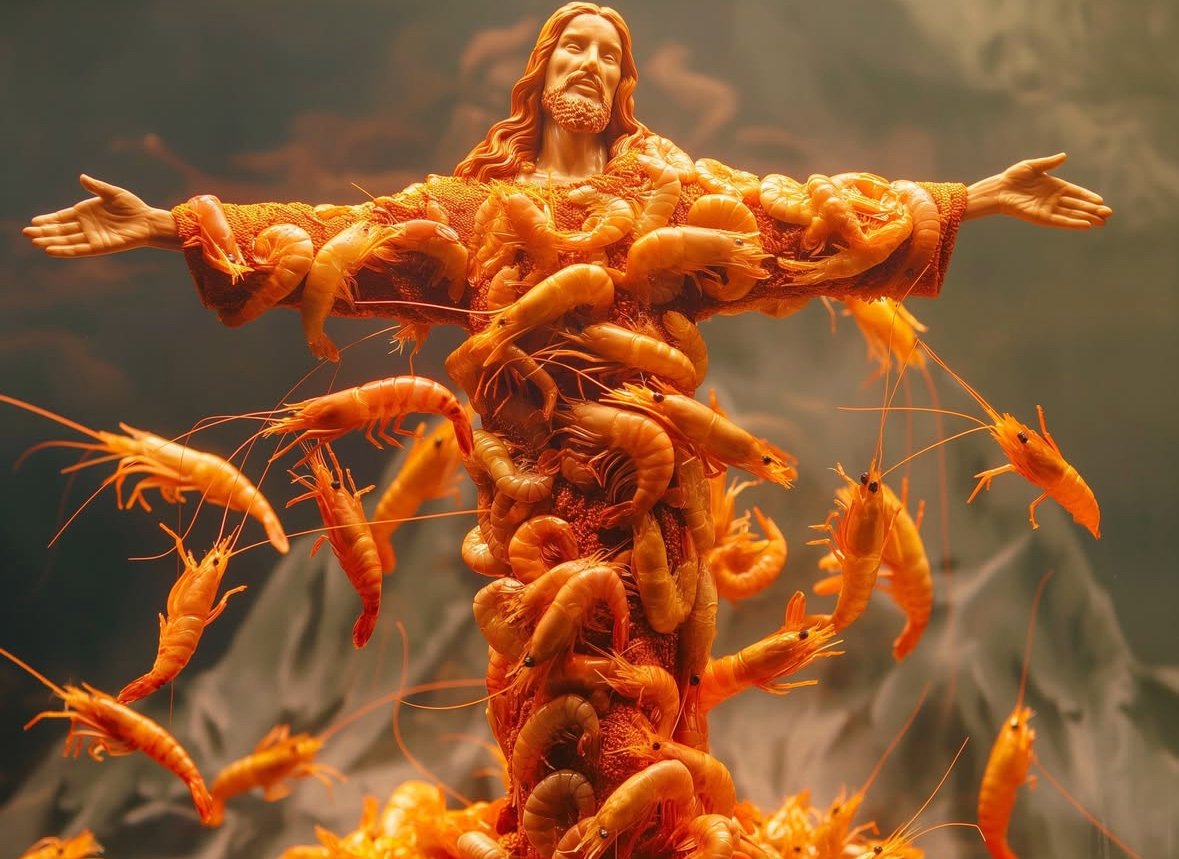
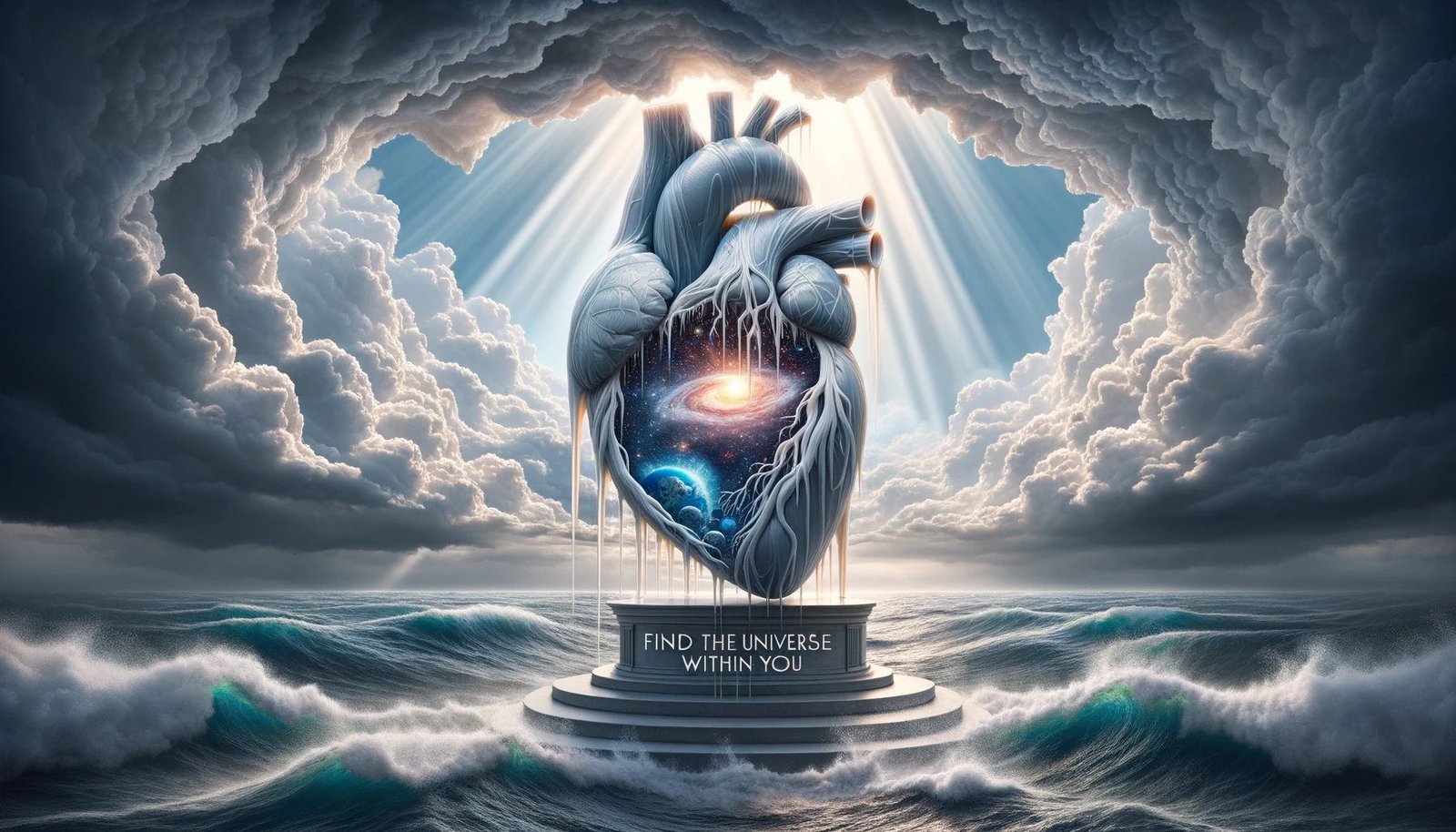
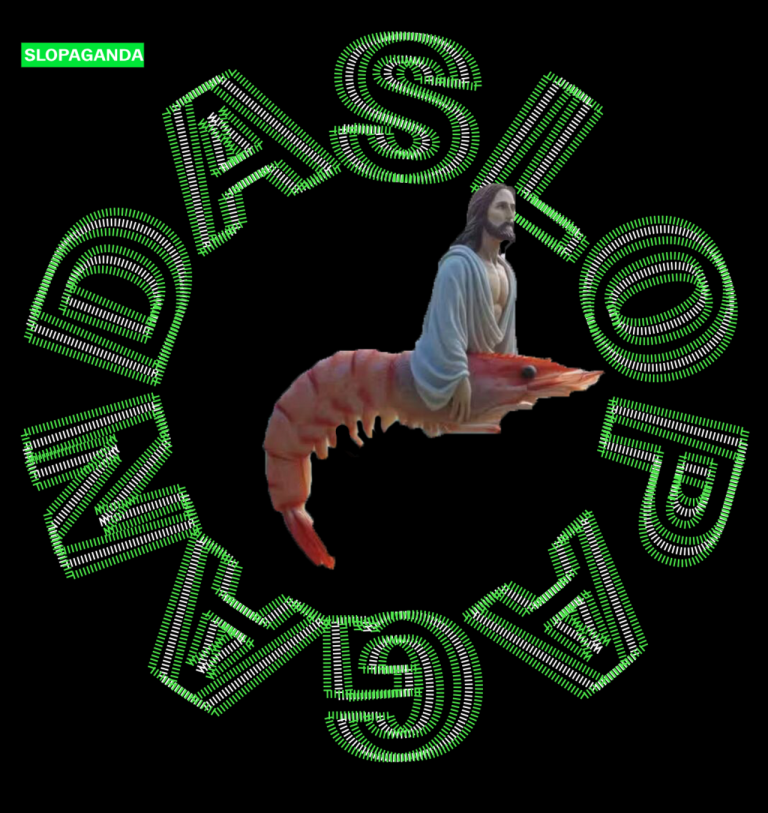
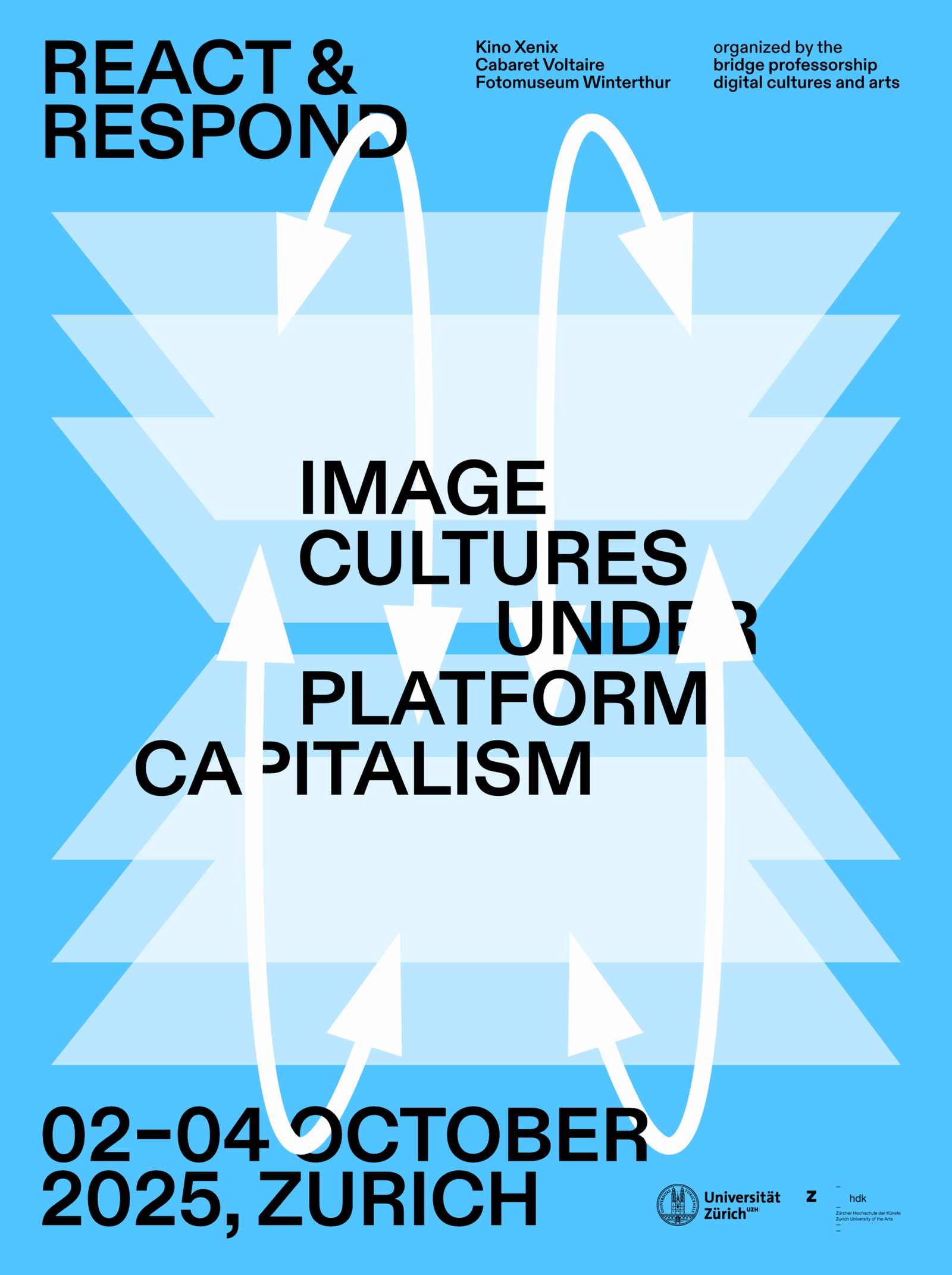
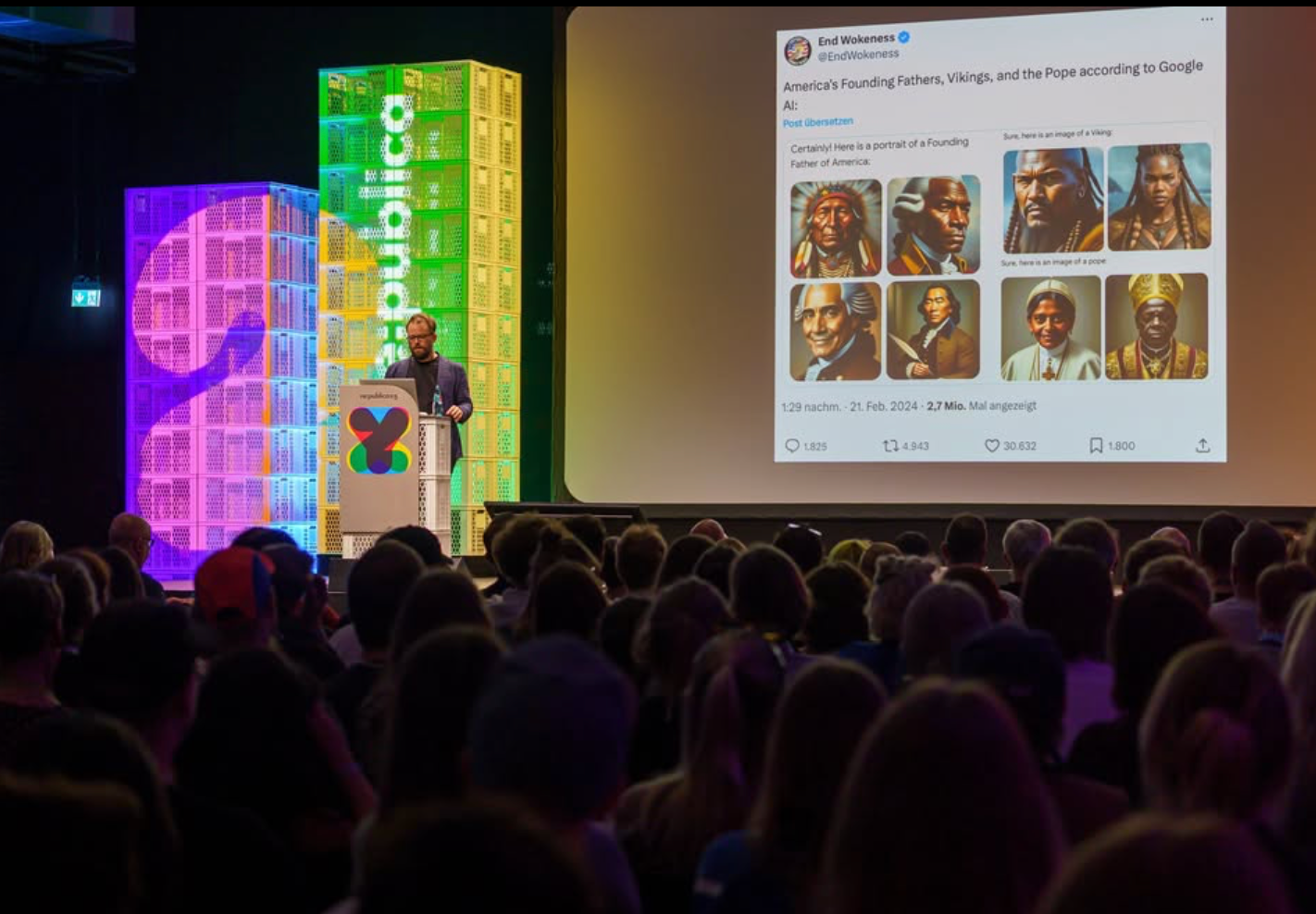
While the initial hype surrounding AI image and video synthesis models such as Dall-E, Midjourney, Stable Diffusion or Sora is fading, their massive impact on networked image cultures is becoming ever clearer: Social media platforms are flooded with increasingly absurd synthetic clickbait, so-called «AI Slop», right-wing online accounts have become super-spreaders of AI-generated memes and propaganda, and a pervasive distrust of digital images has popularized new forms of pseudo-forensic analysis.
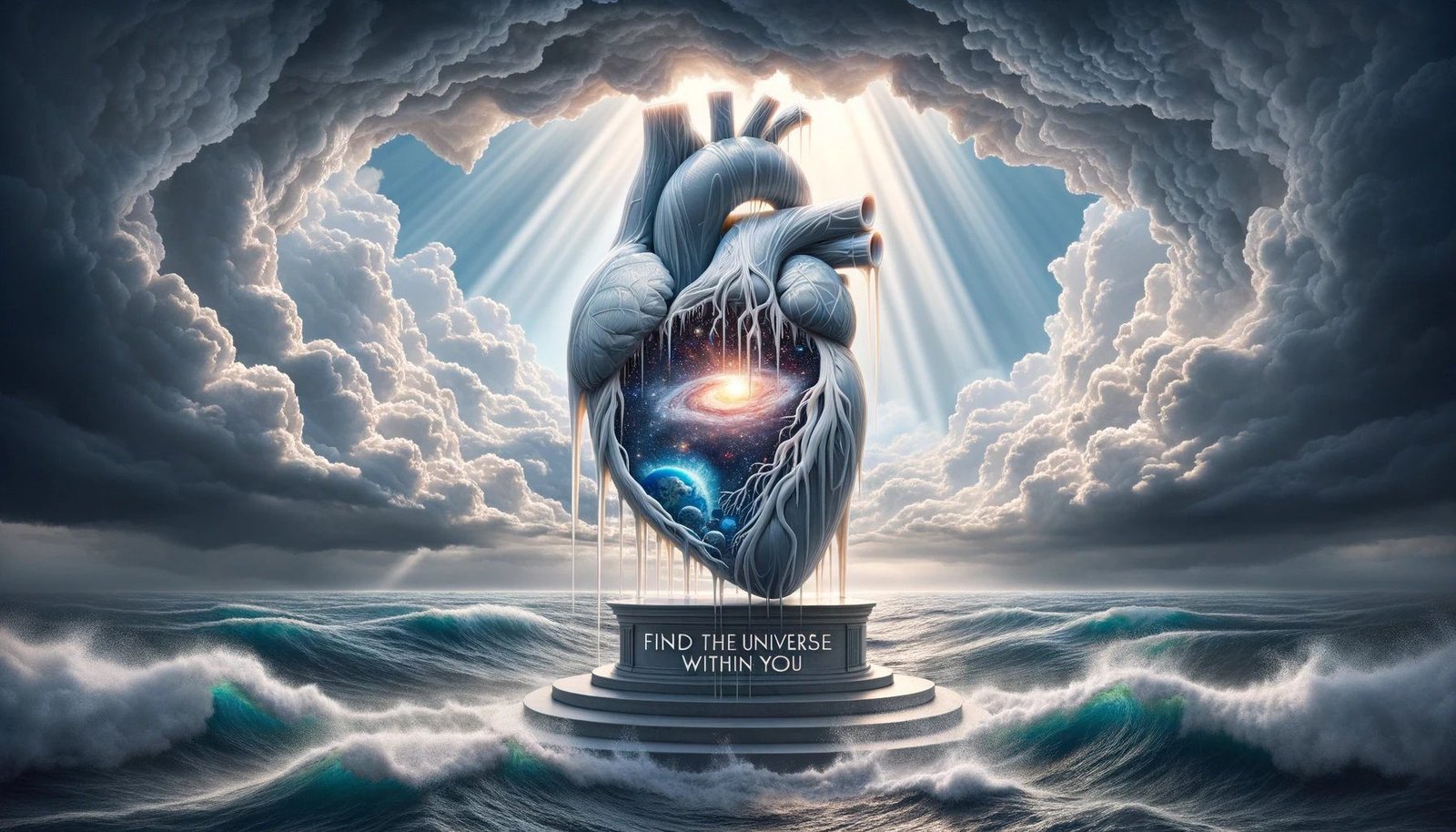
The book project «Dreamworlds of Platform Capitalism» attempts to map these synthetic image worlds of generative AI. Rather than considering whether machines can ever become creative or even produce art, it focuses on the infrastructural conditions of AI-generated visual content and their economic, political and aesthetic implications. The synthetic image worlds of generative AI are not only made to be shared, liked and commented on via social media platforms – they are a product of these platforms, their data aggregations, filter aesthetics, reaction economies, recommendation algorithms and monetization schemes. More than anything else, AI images and videos may represent platform capitalism itself, albeit in a dreamlike state: a closed world made up of endlessly repeating patterns from the past, fueled by constant feedback loops and optimized for quantifiable user engagement.
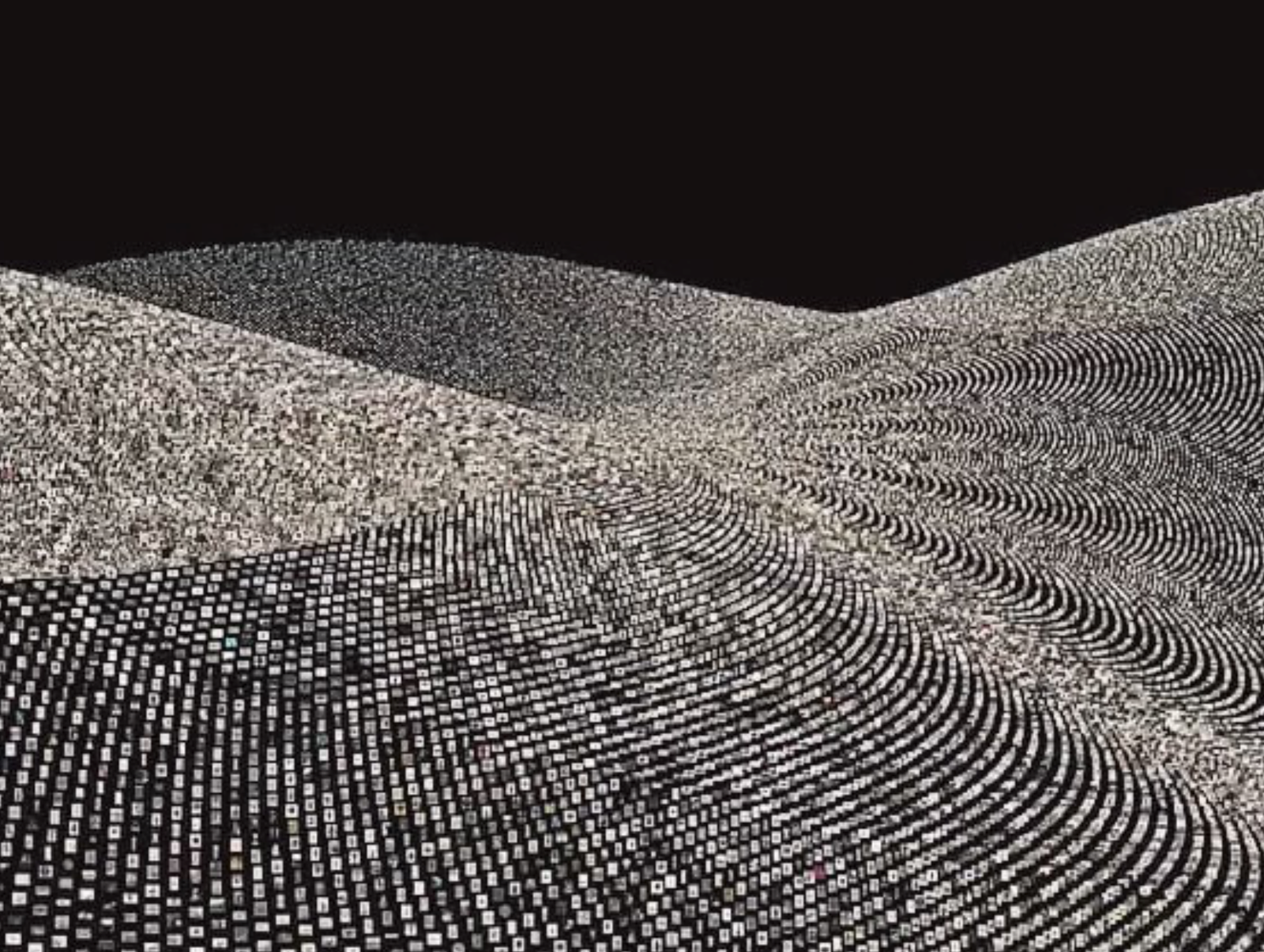
Virtual collections are much more than just digital representations of physical collections. While the large-scale digitization of cultural heritage was initially intended to make cultural heritage more accessible to the public and researchers, the mass aggregation of collection data is now providing new operational and generative functions that are changing how museums, archives and other memory institutions understand themselves.
The interfaces of virtual museum collections transform large ensembles of images, artworks and artifacts from different periods and places into seemingly weightless clouds of data that can be rearranged into navigable landscapes of statistical similarities and converted into a resource of extractable visual patterns for generating seemingly new content.
The project aims to explore the aesthetic and epistemological implications of these novel methods of comparing, connecting and synthesizing archival datasets; to analyze the transformation of historical imagination by technologies of pattern recognition and machine learning; and to reflect on possible alternative forms and formats for accessing virtual collections beyond data extractivism.
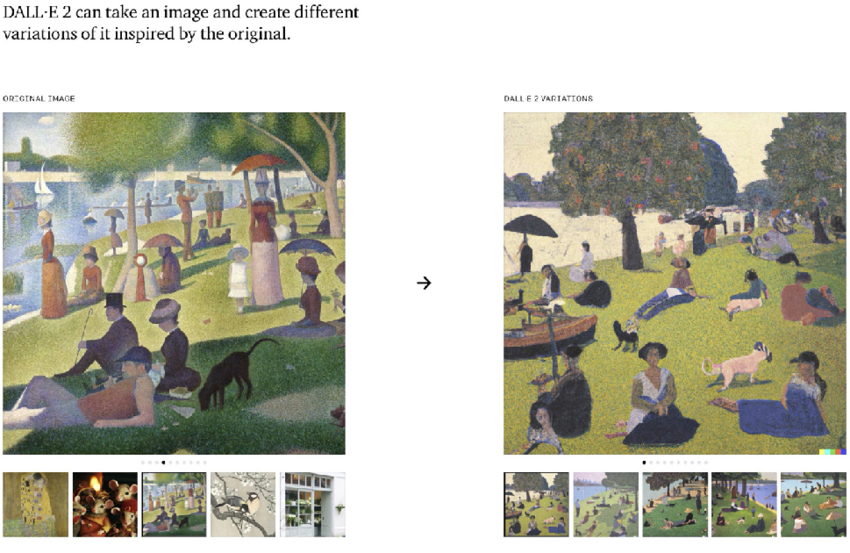
As social media platforms are flooded with AI-generated visual content, further blurring the lines between recorded footage and virtual worlds, previous understandings of realism and visual truth are being renegotiated along the lines of platform economies and politics. New forms of digital visual literacy are required to navigate these emergent synthetic realities.
The project is conducted by Prof. Dr. Roland Meyer and Dr. Kathrin Trattner as part of the URPP Digital Religion(s) and focuses on AI-generated images and videos explicitly containing or implicitly referencing religious themes, iconographies or modes of representation. We approach these in two ways: Firstly, by analyzing their aesthetic structures, formats and genres, as well as their inherent ideological implications, and, secondly, by studying how they are perceived amid shifting notions of visual truth.
We argue that the infrastructural conditions of AI image generation often lead to the replication and reinforcement of visual stereotypes. Therefore, special attention is given to how religion is deployed as a marker of identity and otherness, and how young adults interpret and negotiate these portrayals. In doing so, we seek to go beyond a focus on disinformation operating within a binary logic of ‹real› and ‹fake›. Instead, we aim to examine how AI-generated visual content is used to elicit affective responses and thereby alter and amplify pre-existing perceptions of reality.
Combining media- and actor-centered approaches, the project employs methods of digital ethnography and visual culture studies as well as qualitative empirical methods. The research material consists of AI-generated visual content on selected social media platforms as well as online comments, discussions and further social media practices and contexts in which they are embedded.